









Roti, Chapati (Flat Indian Bread)

March 21st, 2007 filed under Breads
YouTube Preview Image

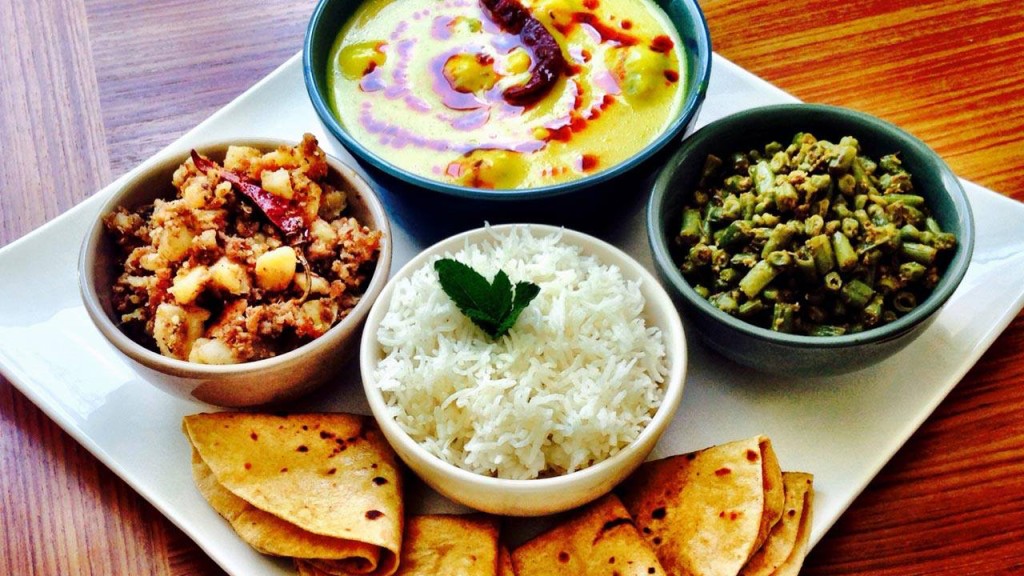
Roti is also known as chapati or fulka. Roti is Indian flat bread made with whole-wheat flour. Roti is served with a variety of cooked vegetables, lentils, and yogurt.

Recipe will makes 4 Rotis.

Roti Chapati

Ingredients

  • 1/2 cup whole-wheat flour
  • 1/8 teaspoon salt
  • 1/4 cup lukewarm water (Use more as needed)

Also needed

  • 2 teaspoons ghee (clear butter)
  • 1/4 cup whole-wheat flour for rolling

Method

  1. Mix flour, salt and water togather to make a soft dough (add more water as needed).
  2. Knead the dough on a lightly greased surface to make the dough smooth and pliable.
  3. Set the dough aside and cover with a damp cloth. Let the dough rest for at least ten minutes or more.
  4. Divide the dough into 8 equal parts.
  5. Make smooth ball and press flat. Take 1 ball; press it in dry flour from both sides.
  6. Roll in to a 5-inch circle. If the dough sticks to the rolling pin or rolling syrface, lightly dust the roti with dry flour. Tip: Use the dry flour just enough you need to roll the roti, too much use of flour will make the roti dry.
  7. Heat the skillet on medium high heat. Note: An iron skillet works best. To know if the skillet is hot enough, sprinkle few drops of water on the skillet. If the water sizzles right away, the skillet is ready.
  8. Place the roti over skillet.
  9. After roti start changing color and start puffing in different places flip the roti over.
  10. Flip again after a few seconds. Take a flat spatula and press lightly on the puffed parts of the roti. This will help the roti puff.
  11. Flip the roti again. The roti should have light golden-brown spots on both sides.
  12. Butter the roti, the side that is facing the skillet.
  13. Keep the rotis in a container with a paper towel covering the bottem.
  14. Roti can be kept outside for up to 2 days wrapped in aluminum foil or in a closed container. For later use, roti can be refrigerated for 5-6 days.

243 Responses to “Roti, Chapati (Flat Indian Bread)”

  1. carmen says:

    When I first made ​​my turn came about countries. Today I did again and I came out much better and smoother. But I was not swollen all around swell as you. Why?

  2. We going to try. Thank you

  3. Dawn says:

    Hi,

    I noticed you mention using a skillet, the roti do not puff nearly enough for me that way. I start on the skillet then put them on the gas stove so they puff up. If you are having trouble with your roti, I suggest this method. Fire is best to cook them in my opinion.

  4. An excellent recipe. Thank you so much.

    Nice and pliable, making them excellent for a wrap of some sort.

    https://picasaweb.google.com/lh/photo/u5SKxwbyKtAdQZXGKjjwidMTjNZETYmyPJy0liipFm0?feat=directlink

  5. [...] Whole Wheat Roti [...]

  6. Lulu says:

    Hell0 Manjula,

    Thank you for sharing your recipe, very easy.steps to follow. I will be making roti tonight.

    Regards, Lulu

  7. Jean says:

    Hello!
    Im trying to live a more healthier way of living and I saw your recipe and I thought it would be good for my diet and also my budget.

    Im kinda new at cooking and I tried all purpose flour instead of using a commercialized one, was it a bad idea? and is it suppose to be somewhat soft or gooey in form or did i mess it up?

  8. Merci says:

    I tried making this last night and only the last one turned out. The other three wouldn’t puff up properly and ended up just like crackers. I also wasn’t able to roll them out to be quite as big as yours.
    I think there are two things that prevented the roti from turning out: one, I probably didn’t knead enough, and 2, the pan wasn’t hot enough. Also, I’m in America and the gluten in our wheat is different from European flours; I imagine it would be very different from Indian flour. American flour has elastic gluten as opposed to plastic gluten; it stretches and bounces back rather than stretching and staying there. Am I right about what happened to my roti?

    • Manjula Jain says:

      Merci
      I live in America, yes flour is different but roti will turn out good just need some practice.

      • Merci says:

        Okay. Thank you for replying so promptly! I’ll try again tonight with another one of your curry recipes. I made your chole palak the same night as the roti and it turned out amazing. Thank you for your excellent recipes!

        • Merci, get some actual chapati flour – it’s all I ever use for Indian bread. It’s different than American style whole wheat flour. The grind is different. I use Golden Temple Durum Atta. I’ve tried using American style whole wheat and even whole wheat pastry flour, they have never worked for me. Any Indian grocer will stock appropriate chapati flours.

          Some tips for making softer chapati/roti from http://www.indiacurry.com/bread/br003breadbasics.htm

          Tenderizing dough to make softer breads

          1. The starch in the flour absorbs moisture with heat. Always add warm water (near 100ºF) to make dough.
          2. Lactic acid and fat in the Yogurt tenderize gluten. That’s why buttermilk is added to make ‘biscuits’ in the United States. Replace water in part or whole with Dahi, or Buttermilk to make dough.
          3. Add shortening such as Ghee, butter or even milk to the dough to make it softer. These fats also add to the texture of the dough.
          4. Allow the dough to rest for about 30 minutes at room temperature, to permit the starches and glutens enough time to work through.
          5. If you stored dough in the refrigerator, let it come to room-temperature before rolling, otherwise the gluten will remain stiff resulting in hard bread.

          Many things can cause changes in the results for your chapati. Yesterday I made chapati in the afternoon in the same pan I usually use, then in the evening I thought I would use the cast iron griddle instead. The lunch chapati were fine, the cast iron chapati were awful. I have to relearn how to tell when the cast iron griddle is the right temp, it’s different. So while you’re learning, pick a pan and stick with it.

Add Comment

* Denotes Required Field

Name *

E-Mail *

Website

Comments *

*